

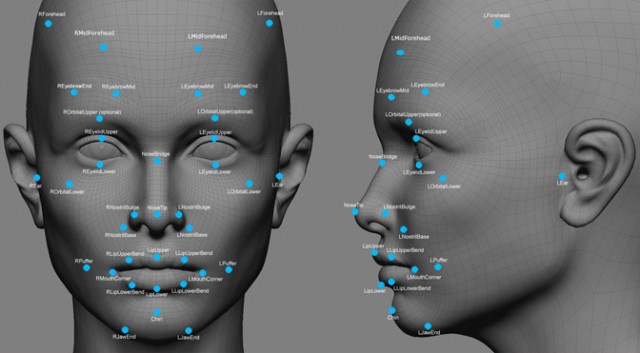
In the era of rapid technological advancements, artificial intelligence (AI) has made its mark in various fields, promising efficiency, convenience, and innovation. However, there is an ongoing concern regarding the existence of implicit bias within AI systems, particularly in face recognition technology. Critics argue that AI algorithms may not accurately identify people of color, especially those with darker skin tones, leading to grave consequences such as wrongful arrests and societal disparities. In this article, we will delve into this issue by examining real-life cases of innocent Black individuals who were misidentified by face recognition software, exploring the accuracy of face recognition technology with people of color, and discussing efforts to address and rectify these concerns.
I. The Disquieting Cases
- Robert Williams: One of the most prominent cases highlighting the potential bias in face recognition technology is that of Robert Williams. In January 2020, Williams, a Black man from Michigan, was wrongfully arrested based on an erroneous match by a facial recognition system. The software inaccurately identified him as a suspect in a shoplifting case. Williams’ arrest serves as a poignant example of the serious repercussions of AI misidentifications.
- Nijeer Parks: In 2019, Nijeer Parks, a young Black man from New Jersey, was falsely accused of shoplifting at a store. Face recognition technology was again at fault, incorrectly identifying Parks as the culprit. His case underscores the dangers of relying solely on AI for criminal investigations.
- Michael Oliver: In another case, Michael Oliver, a Black man, was detained by police in Detroit in 2020 due to a facial recognition system mismatch. Fortunately, further investigation revealed the error, but the incident exposed the potential for racial bias in these technologies.
II. The Bias Question
One of the key questions surrounding these cases is whether face recognition technology inherently struggles with identifying people of color, particularly those with darker skin tones. While AI systems are designed to be impartial, they are only as good as the data they are trained on. If the training data is not diverse enough, the algorithms can inadvertently exhibit bias.
- Challenges with Diverse Data: Face recognition algorithms rely on vast datasets to learn to identify individuals. If these datasets are predominantly composed of lighter-skinned individuals, the technology may indeed be less accurate in recognizing those with darker skin tones.
- Skin Tone and Accuracy: Studies have shown that face recognition systems tend to perform less reliably with individuals who have darker skin. This is often attributed to inadequate representation of people with darker skin in the training data, leading to a lack of nuance in recognizing facial features.
III. Addressing the Glitch
Recognizing the seriousness of these issues, efforts have been made to address the potential bias in face recognition technology.
- Companies’ Responses: Some tech giants, including IBM, Microsoft, and Amazon, have either temporarily halted or discontinued the sale of their facial recognition systems to law enforcement agencies. This move is seen as a response to growing concerns over racial bias and misuse of the technology.
- Increased Diversity in Data: Improving the accuracy of AI systems involves diversifying the training data. Researchers and companies are working towards creating more representative datasets that include a wide range of skin tones and ethnicities.
- Algorithmic Improvements: Technological advancements aim to enhance the accuracy of face recognition technology across all skin tones. Researchers are developing algorithms that can better detect and identify faces with darker skin.
IV. The Quest for Accuracy
The overarching goal of any technological advancement is to enhance accuracy and efficiency. In the case of face recognition technology, accuracy is paramount to prevent wrongful arrests and protect civil liberties.
- Overall Accuracy: Face recognition technology, when trained on diverse datasets, can achieve high levels of overall accuracy. In ideal conditions, it can be as accurate as human recognition or even surpass it.
- Racial Disparities: However, there remains a significant disparity in accuracy when it comes to people of color. Studies have indicated that these systems can be up to 10-100 times more likely to misidentify people of color, especially Black individuals, compared to white individuals.
- Environmental Factors: Environmental conditions can also impact accuracy. Poor lighting, for instance, can affect the system’s ability to recognize faces accurately, further exacerbating disparities for people with darker skin tones.
V. The Road Ahead
Efforts to address bias in AI systems and improve face recognition technology’s accuracy are ongoing. Public awareness and scrutiny have been instrumental in pushing tech companies and policymakers to take action.
- Legislation and Regulation: Some countries and regions are taking legislative steps to regulate the use of facial recognition technology. These regulations aim to ensure transparency, accountability, and fairness in its deployment.
- Community Involvement: Engaging with underrepresented communities in the development and testing of AI systems is crucial. Their input can help identify and rectify biases that may not be apparent to developers.
- Ethical AI Development: Tech companies are increasingly focusing on ethical AI development, emphasizing fairness, transparency, and accountability in their algorithms. This approach aims to minimize bias in AI systems.
The cases of innocent Black individuals wrongfully arrested due to facial recognition misidentifications are stark reminders of the potential for bias in AI systems. While technology has the power to revolutionize society positively, it can also perpetuate and exacerbate societal disparities if not carefully developed and regulated.
Addressing implicit bias in face recognition technology is an ongoing process that requires concerted efforts from tech companies, researchers, policymakers, and the public. As we continue to push the boundaries of AI, it is imperative that we do so with an unwavering commitment to fairness, accuracy, and equity, ensuring that these innovations benefit all members of society, regardless of their skin tone or ethnicity.
Click here to get Hidden in White Sight: How AI Empowers and Deepens Systemic Racism for free!
 AI Guy
Leave a comment